




MUSCAT: Vale and Sultan Qaboos University (SQU) have completed a two-year research programme that identified potential uses for iron ore by-products in Oman’s construction sector, supporting the development of more sustainable industrial and infrastructure projects.
The study comes as Vale advances the Sultanate of Oman’s first iron ore concentration plant at SOHAR Port and Freezone, where the company is assessing opportunities to maximise the value of materials generated through future processing activities.
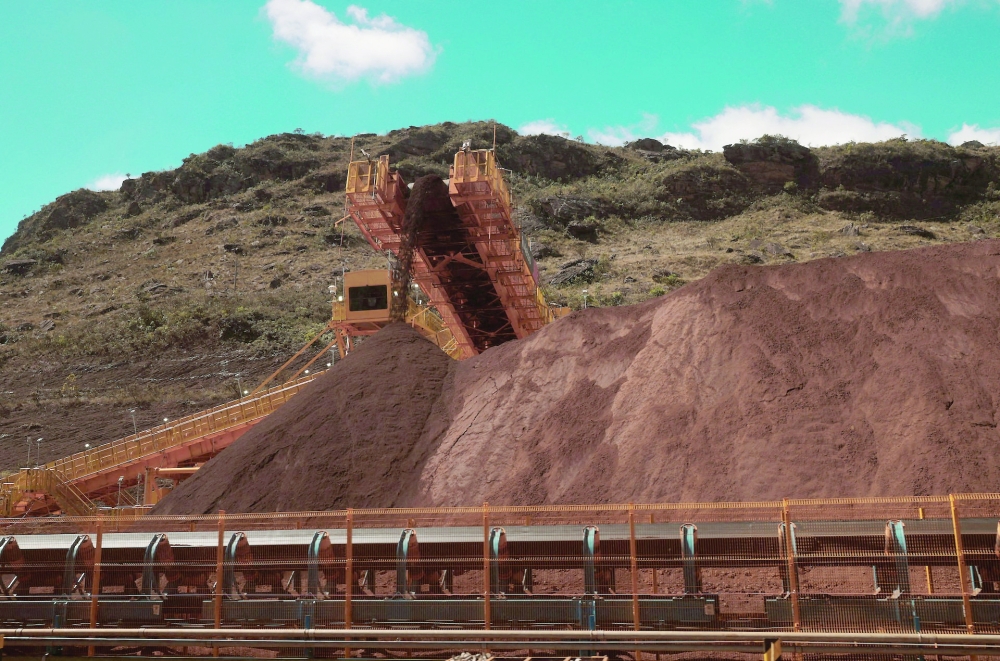
Researchers from SQU's College of Engineering evaluated the suitability of iron ore by-products, known as ore sand, for applications including road construction, concrete, cement mortars, concrete blocks and interlocking paving units.
The findings showed that the material can be safely incorporated into a range of construction applications while meeting engineering and environmental standards.
Road construction emerged as the most promising application because it can absorb large volumes of the material. The study also found that incorporating iron ore by-products could improve the performance of certain road-building materials, creating opportunities for more efficient road design and construction.
Saleh al Muslahi, Chief Executive of Mega Hubs – Middle East and North Africa at Vale, said that demand for high-grade iron ore was increasing as the global steel industry accelerated its transition to lower-carbon steelmaking.
“Our investment in Oman's first iron ore concentration plant is part of Vale's broader strategy to support this transition by supplying high-quality products that help reduce emissions across the steel value chain,” he said.
Al Muslahi said the partnership with Sultan Qaboos University also reflected Vale’s efforts to identify additional value from iron ore by-products and support a more circular approach to industrial development.
“Through partnerships such as this research with Sultan Qaboos University, we are also exploring innovative ways to unlock additional value from iron ore by-products, supporting a more circular approach to industrial development while contributing to Oman's long-term economic diversification,” he added.
Professor Khalifa al Jabri, Project Lead and Professor of Civil Engineering at Sultan Qaboos University, said the research provided technical evidence on how the materials could be used under Omani conditions.
“What made this project particularly valuable was the opportunity to evaluate these materials within the Omani context and establish a technical foundation that can support future policy and industrial development,” he said.
Al Jabri said the project supports the objectives of Oman Vision 2040 by promoting innovation, sustainable industrial development and collaboration between academia and industry.
Following the study, Vale and Sultan Qaboos University plan to explore pilot-scale applications and undertake further research with relevant stakeholders.
The initiative forms part of Vale’s wider strategy to support sustainable industrial development, knowledge transfer and local value creation in the Sultanate of Oman alongside the development of its iron ore concentration plant.
Oman Observer is now on the WhatsApp channel. Click here